

Excellent Quality.Company Updates: News from Our Knitwear Factory
Stay informed with our company updates. As a trusted Wholesale partner, we share the latest news for knitwear suppliers. Our Maker team delivers quality trusted by global Suppliers and streetwear brands.

Company Updates
Category
Hot News
- The most popular seven women sweater design
- Have these dress is quite have the entire spring
- If you have an electric clothes that can provide power for old people
- High quality army green military field sweater
- How can always wear the simple style sweater? pattern sweater is the most fashionable
- Men new style college sweater pullover
Latest News
Craft Value and Pattern Selection of Embroidered Sweaters
Embroidered sweaters are a combination of knitting and embroidery technology, with both practical and decorative values. Their processes are divided into three-dimensional embroidery and flat embroidery. Three-dimensional embroidery such as towel embroidery has obvious raised patterns and full texture, suitable for creating a personalized street style; flat embroidery has delicate lines and exquisite patterns, suitable for commuting and light luxury scenarios. Pattern selection should be combined with dressing style. Simple small patterns such as letters and small flowers are versatile and suitable for any scene; large-area complex patterns such as retro patterns and cartoon images are suitable as outerwear items to improve eye-catching degree. In addition, embroidered sweaters can support personalized customization, and exclusive logos or patterns can be embroidered on the garment to meet the customization needs of brands or individuals. JMSWEATER is a over 17 years professional sweater manufacturer that various sweaters are available to be customized as your requirements. Knitwear ranging from 1.5-18GG in jacquard, intarsia, flat bed knitting, circular knitting, hand knit and crochet. Various kinds of add-on process are available, thousands of material yarn offered with cashmere, merino wool, cotton, viscose, nylon, alpaca, linen, mohair etc. To know more of our procedures please feel free to send inquiry for us. Web: https://jmsweater.en.alibaba.com WhatsApp:008618520111505 Version Classification of Sweaters and Body Shape Adaptation Guide
The version of a sweater directly affects the dressing effect, which is mainly divided into five categories: slim fit, loose fit, oversize, short style and long style. The slim fit is close to the body, suitable for people with a well-proportioned or thin figure, can highlight the sense of lines, and is suitable for workplace commuting; the loose fit is slightly wider than the body, friendly to people who are slightly fat, and can cover abdominal fat; the oversize version is wide, creating a lazy and casual style, suitable for matching with tight lower garments to balance the proportion; the short sweater is above the waist line, which can lengthen the leg line and is suitable for small people; the long sweater is over the buttocks, which has both warmth and fat-covering effects, suitable for outer wear in autumn and winter. JMSWEATER is a over 17 years professional sweater manufacturer that various sweaters are available to be customized as your requirements. Knitwear ranging from 1.5-18GG in jacquard, intarsia, flat bed knitting, circular knitting, hand knit and crochet. Various kinds of add-on process are available, thousands of material yarn offered with cashmere, merino wool, cotton, viscose, nylon, alpaca, linen, mohair etc. To know more of our procedures please feel free to send inquiry for us. Web: https://jmsweater.en.alibaba.com WhatsApp:008618520111505 Advantages and Material Ratio of Wool Blended Sweaters
Wool blended sweaters combine the warmth of pure wool with the practicality of other fibers, and are cost-effective autumn and winter items. There are three common material ratios: wool + acrylic (mostly 7:3 ratio), which not only retains the softness and warmth of wool, but also improves anti-pilling and easy-care properties with acrylic; wool + cotton (mostly 6:4 ratio), which enhances air permeability and skin-friendliness, suitable for close-fitting wear; wool + nylon (mostly 8:2 ratio), which improves fabric toughness and extends service life. Different ratios are suitable for different scenarios. The 7:3 wool-acrylic blend is suitable for daily commuting, and the 6:4 wool-cotton blend is more suitable for people with sensitive skin, which can be selected according to needs when purchasing. JMSWEATER is a over 17 years professional sweater manufacturer that various sweaters are available to be customized as your requirements. Knitwear ranging from 1.5-18GG in jacquard, intarsia, flat bed knitting, circular knitting, hand knit and crochet. Various kinds of add-on process are available, thousands of material yarn offered with cashmere, merino wool, cotton, viscose, nylon, alpaca, linen, mohair etc. To know more of our procedures please feel free to send inquiry for us. Web: https://jmsweater.en.alibaba.com WhatsApp:008618520111505 What kind of fabric is faux mink
Faux mink is a type of fur material that imitates the appearance and feel of mink fur. It is primarily composed of chemical fibers, although some may also contain natural animal fibers. Here are the specifics: Chemical fiber blends: Most faux mink fur is made from a blend of chemical fibers such as polyester, nylon, and polyester fibers. These fibers are treated with special processes to mimic the luster, softness, and downy texture of mink fur. For example, polyester fibers can enhance the fabric's crispness and durability, while nylon adds elasticity and flexibility. Combination of natural fibers and chemical fibers: Some faux mink fur is created by mixing natural animal fibers such as raccoon fur and rabbit fur with chemical fiber raw materials. The inclusion of natural animal fibers can further enhance the warmth and texture of the fabric, bringing it closer to the performance of genuine mink fur. JMSWEATER is a over 17 years professional sweater manufacturer that various sweaters are available to be customized as your requirements. Knitwear ranging from 1.5-18GG in jacquard, intarsia, flat bed knitting, circular knitting, hand knit and crochet. Various kinds of add-on process are available, thousands of material yarn offered with cashmere, merino wool, cotton, viscose, nylon, alpaca, linen, mohair etc. To know more of our procedures please feel free to send inquiry for us. Web: https://jmsweater.en.alibaba.com WhatsApp:008618520111505 How many types of wool
The classification dimensions of wool are diverse, and can be divided according to different criteria such as variety, fineness, use, and origin, and different categories differ significantly in quality, characteristics and application scenarios. The following are common classification methods and specific categories: I. Classification of sheep by breed (core classification method) This is the most basic classification, and the wool produced by different breeds of sheep differs greatly in terms of fiber structure, fineness, and gloss, and there are also obvious levels of quality. (1) Fine-haired sheep breeds The fine fiber, high uniformity and soft handfeel of wool is the main source of high-quality wool, suitable for the production of high-end wool products. Buy Merino Wool The best known fine wool variety in the world is native to Spain, and has been introduced to Australia, New Zealand and other countries to cultivate, among which Australian Merino wool has the best quality. Features: The fiber is extremely fine (usually less than 17.5 microns, the top varieties can reach 11-13 microns), highly curly, good elasticity, strong warmth and breathability, and the hand feel is fine and smooth, and it is not easy to pick up balls. Uses: high-end cashmere shirts, fine wool fabrics, suitable clothing, etc. Chinese Merino Wool The fine-haired sheep variety cultivated in China combines the excellent characteristics of foreign merino sheep and adapts to the domestic climate environment. The fiber thickness is about 18-20 microns, and the quality is close to that of imported merino wool. Use: Mid-to-high-end fabrics, knitted clothing, etc. (2) Semi-fine-haired sheep breeds The fineness of wool is between fine and rough wool, and the fiber length is long, suitable for making medium-thick wool fabrics, blankets, etc. Suffolk Wool Native to the United Kingdom, the wool has a fineness of about 25-30 microns, a medium length, a good gloss and a high strength. Uses: tweed fabrics, knit coats, carpets, etc. Cowley replaces wool Originally from New Zealand, the fiber has a fineness of 22-28 microns, is flexible and resistant to wear, and is suitable for mixed textile production of various types of fabrics. (3) Crude sheep breeds Wool is coarse in fiber and has a large difference in diameter, contains flannel and coarse wool, is good for warmth but has a rough hand feel, and is mainly used in making carpets, blankets, tweed coats, etc. Mongolian wool The wool produced by Mongolian sheep in China is coarse (30 microns or more), uneven in length, high in fat content, and strong in warmth. Uses: Carpets, blankets, coated fabrics, and can also be used to make wool felt. Xizang wool Made from Xizang sheep in China, the fiber is coarse and hard, the length is long, and the toughness is good, suitable for making durable products such as carpets and tents. (4) Specialized varieties of wool Cashmere (often referred to as "soft gold") Note: Strictly speaking, goat cashmere does not belong to wool (wool specifically refers to sheep hair), but it is often classified as a high-end wool material, supplemented here. It is a fine fur of the inner layer of a goat, with a fineness of 14-16 microns, which is extremely soft and warm. Use: Top cashmere shirts, scarves, high-end clothing. Alpaca Wool (Alpaca Wool) Made from alpaca, it is divided into Suli alpaca wool (long fiber and shiny) and Huacao alpaca (soft and delicate to the hand), with a fineness of 18-22 microns, which is better for warmth than wool, and does not easily flap. Use: High-end knitwear, wool fabrics. II. Classification by wool thickness Fineness is a key indicator of wool quality, which directly affects the feel and use of wool, usually expressed in "micron (μm)." Ultrafine wool: fineness ≤ 18 microns, mainly Merino fine wool, used in high-end sportswear and fine fabrics. Fine wool: 18-22 microns, suitable for the production of medium to high-end knitwear and tweed fabrics. Semi-fine wool: 22-30 microns for medium-thick wool fabrics and mixed fabrics. Coarse wool: > 30 microns, mainly used in carpets and rough textile products. III. Classification by wool use Wool for textiles: The fiber is of good quality (fine grain, moderate length) and strong textile ability. It is used to make clothing, scarves, blankets and other textiles. It covers fine and partly semi-fine hair. Industrial wool: Crude wool or short fibre of poor quality, used in the manufacture of wool felts, filter materials, industrial seals, etc. IV. Classification by place of origin of wool The quality of wool from different places of production has unique characteristics due to differences in climate and breeding environment: Australian wool: With Merino wool as the core, it is the core supply source for the global wool market, and is known as the "wool kingdom." New Zealand wool: mainly semi-fine wool, suitable for making blankets and coated fabrics, and has high value for money. China's wool: The output is among the highest in the world, covering fine, semi-fine and coarse wool, and the main production areas are Inner Mongolia, Xinjiang and Qinghai. South African wool: mainly fine and semi-fine wool, with stable quality, is often used in mixed fabrics. V. Other special categories Raw Wool: Wool that has not been cleaned, combed and processed, containing impurities (dust, grease, sheep sweat, etc.), which needs to be processed before it can be used. Scoured Wool: Wool that has been cleaned and degreased has removed most of the impurities and is the basic raw material for textile processing. Carbonized Wool: Removing plant impurities (such as grass clippings) from wool through the carbonization process, suitable for making high-end fine woven fabrics. JMSWEATER is a over 17 years professional sweater manufacturer that various sweaters are available to be customized as your requirements. Knitwear ranging from 1.5-18GG in jacquard, intarsia, flat bed knitting, circular knitting, hand knit and crochet. Various kinds of add-on process are available, thousands of material yarn offered with cashmere, merino wool, cotton, viscose, nylon, alpaca, linen, mohair etc. To know more of our procedures please feel free to send inquiry for us. Web: https://jmsweater.en.alibaba.com WhatsApp:008618520111505 How should cashmere be cleaned?
Cashmere is a soft and expensive material, and improper cleaning can cause problems such as shrinkage, balling, and deformation. It should be followed the core principle of "gentle cleaning, gentle operation, and correct drying." The specific cleaning methods and considerations are as follows: I. Choose a cleaning method (1) Hand washing (preferred) Preparations Separate clothing: Separate cashmere products from clothing of other materials to avoid dyeing or friction damage; Wash dark and light cashmere separately to prevent serial coloring. Preparation Tools: Choose a clean shallow tub or bath and avoid using a rough container to scratch the fabric; Prepare cashmere-specific detergent (neutral, containing cashmere care ingredients), strictly prohibit the use of alkaline laundry detergents and soaps, and do not use cleaning products containing bleach or fluorescent agents. Mixing Solution: Dissolve the detergent in warm water below 30 ° C (with a slight cold taste to the hands), stir well, and the concentration should not be too high (generally 10-20ml detergent per 5 liters of water) to avoid residual damage to fibers. Cleaning steps Soak: Gently put the cashmere product into the wash. The soaking time is controlled to 10-15 minutes. Do not soak for a long time (more than 30 minutes can cause fibre damage and uneven dyeing). Gently wash: Use the palm of your hand to gently press and squeeze the clothing. Focus on cleaning the collar and cuffs and other dirty areas, avoid rubbing and wringing hard to prevent the cashmere fibers from cracking and deforming. Rinse: Rinse with water 2-3 times repeatedly until there is no foam in the water and no detergent residue (residue will cause the clothing to harden and mold). When washing for the last time, add a small amount of cashmere dressing and soak for 5 minutes before scooping out to improve the softness of the fabric. Dehydration Treatment Press the washing-clean cashmere product gently to squeeze out some of the moisture. Do not wring it hard (it will destroy the fiber structure and cause deformation). Wrap the cashmere product with a clean large bath towel. Press gently to suck the water. Remove the towel after absorbing the excess water. (2) Machine wash (use with caution) It applies only to cashmere products labelled as "machine washable." Machine wash of unlabelled products is strictly prohibited. The steps are as follows: Place cashmere products in a laundry bag (preferably a double-layered wash bag) and avoid harsh friction with the lining of the washing machine or other clothing during washing. The washing machine chooses the "cashmere special step," "wool step" or "gentle step," the water temperature is set below 30 ° C, the washing time is controlled within 15 minutes, and the dehydration speed is not set too high (recommended below 800 rpm / min). Only add neutral detergent for cashmere, no softener, bleach, etc. Immediately after the machine wash, remove the clothes and dispose of them in the dehydration mode of hand-washing to avoid being immersed in the washing machine for a long time. (iii) Dry cleaning (special case selection) For cashmere products with complex structures (such as more decorative items, embroidery), valuable items or items that cannot be handled on their own (such as cashmere coats), You can choose a regular dry cleaning shop, clearly inform the clerk about "cashmere material," and require the use of special dry cleaning solvent for cashmere to avoid the hardness and fading of the fabric due to improper dry cleaning solution. However, it is important to note that frequent dry cleaning can damage the cashmere fibers and is recommended only when the clothing is dirty or unable to be washed by hand / machine. II. Drying method Flatten dry: Flatten the dehydrated cashmere products on a clean clothes dryer, ventilation rack or on a flat surface with a clean towel. Arrange the clothing in its original shape to avoid pulling and deformation. Choose a drying environment: Place it in a cool, ventilated, dry place and avoid direct sunlight (ultraviolet rays will damage the cashmere fibers, causing the fabric to yellow and become brittle); At the same time, stay away from high-temperature heat sources such as heating and air conditioning vents to prevent local overheating and shrinking. Forbidden drying: Never put cashmere products in a dryer, high temperature will cause the cashmere fiber to contract and harden, completely destroying the clothing form. III. Follow-up Care and Precautions Ironing: If clothing needs to be styled, after fully drying, use a steam iron to select the "wool / cashmere stage," the temperature is controlled below 110 ° C, and the iron cannot directly touch the fabric (it needs to cover with a thin cotton cloth), and use "empty steam" to iron to avoid the damage of the fibers caused by the pressure. Acceptance: After drying, fold and store cashmere products to avoid hanging (long-term hanging will cause the clothing to stretch and deform due to gravity). Place insecticides (such as mothballs, lavender bags) when intended, but wrap the insecticides with tissue to avoid direct contact with the fabric causing corrosion; At the same time, choose dry, airy wardrobes to avoid mold breeding in a humid environment. Other taboos: Avoid frequent washing, cashmere products wash poor, generally wear 3-5 times before washing, local stains can be dipped in cotton swab with a small amount of neutral detergent gently wipe, no need to clean the whole. If the clothing is inadvertently contaminated with oil, it should not be wiped with an organic solvent such as gasoline, and the surface oil should be immediately sucked away with a paper towel and treated according to the normal cleaning process. When a small ball rises, trim gently with a dedicated ball trimmer to avoid tearing with your hands to prevent the fiber from falling out. JMSWEATER is a over 17 years professional sweater manufacturer that various sweaters are available to be customized as your requirements. Knitwear ranging from 1.5-18GG in jacquard, intarsia, flat bed knitting, circular knitting, hand knit and crochet. Various kinds of add-on process are available, thousands of material yarn offered with cashmere, merino wool, cotton, viscose, nylon, alpaca, linen, mohair etc. To know more of our procedures please feel free to send inquiry for us. Web: https://jmsweater.en.alibaba.com WhatsApp:008618520111505 What's the difference between cashmere and merino wool
Cashmere and Merino wool are both high-quality natural animal fibers, but the differences in many dimensions such as source, characteristics and quality are significant, and the specific differences are as follows: I. The core is different: Cashmere: refers specifically to the lower layer of fine cashmere growing tightly against the skin of goats (mainly cashmere goats, such as Inner Mongolia cashmere goat, Kashmir goat, etc.), which belongs to the secondary cashmere. Each goat can only produce several dozen grams of cashmere per year, and it needs to be handcombed and collected during certain seasons, and the raw material is extremely scarce. Beautiful slave wool: derived from beautiful slave sheep (which are divided into different breeds, The covered hair of Australian beautiful slaves, New Zealand beautiful slaves and others, belongs to the main hair sheep, and the output of hair is much higher than that of goats. An adult beautiful slave sheep can produce several kilograms of hair annually, and the supply of raw materials is relatively abundant. II. Differences in Fiber Properties Fineness and handfeel Cashmere: The fibers are usually between 14-16 microns, and some high-end cashmeres can reach below 12 microns. The surface scales of the fibers are small and smooth, and the touch is extremely soft and delicate, and there is no itching when applying to the skin. It is known as "soft gold." Beautiful slave wool: The fineness is generally 18-22 microns (ultrafine beautiful slaves can be as low as about 16 microns), Although it is more delicate than ordinary wool, the overall thickness is slightly less than cashmere, the hand feel is softer, but it is still slightly firm compared to cashmere, and some of the thicker styles may be slightly irritating to sensitive skin. Keep warm Cashmere: The fiber has a hollow structure and a high curvature, which can lock up a lot of air and provides excellent heat protection. At the same thickness, the warmth of cashmere products is 1.5-2 times that of wool products. Merino wool: The warmth is better than ordinary wool, but due to the different fiber structure (mainly solid, less curly than cashmere), the warmth efficiency is less than cashmere, and it needs to reach a certain thickness to achieve a similar warmth effect to cashmere. Strength and wear resistance Cashmere: The fibers are shorter in length (usually 3-4 cm), relatively weak in strength and wear resistance, easily bally and deformed during long-term friction, and require more fine care. Merino Wool: longer fiber length (6-10 cm), stronger and more tough than cashmere, more wear resistant, more durable in everyday wear, and relatively low ball risk (still related to fabric density and craftsmanship). Moisture absorption and breathability Cashmere is excellent in dampening, can absorb about 30% of its own weight of moisture, and has good breathability, is dry and not sweltering when worn, and is suitable for dry or cold environments. Merino wool: The hygroscopic properties of cocoa are close to cashmere, cocoa absorbs 20-30% of its own weight of water, is good breathing, and discharges the moisture quickly, can effectively avoid sweat accumulation, and has high comfort. III. Product characteristics and applicable scenarios Cashmere products: Mainly focused on high-end comfort, common styles are cashmere shirts, cashmere scarves, cashmere coats, etc. The characteristics are light, warm, and soft, suitable for scenes where extreme comfort and light luxury feel are desired, especially for personal wear or high-end wear in the cold winter. However, the price is expensive and the cost of care is high, so vigorous scrubbing and sun exposure should be avoided. Merino Wool Products: Better value for money and a wide variety of styles, including wool shirts, wool coats, wool socks, etc., which are both soft and practical, suitable for wear in spring and autumn or as a fitting in winter, and can also be used to make outdoor warm clothing (taking advantage of its wear resistance and breathability). Care is relatively simple and machine washable (optional wool-specific procedures). IV. Price difference Due to the scarcity of cashmere raw materials and the difficulty of collecting them, the price of their products is much higher than that of wool products made by Mills. The price of an ordinary cashmere shirt is usually 3-5 times that of the same type of ultrafine wool sweater, and the price of high-end cashmere products can reach thousands of yuan or even tens of thousands yuan; The United States and the price of wool products is relatively close to the people, more suitable for Volkswagen consumer groups. V. Small Techniques for Distinguishing Hand-feel judgment: Under the same conditions, the softness of cashmere is much higher than that of slave wool, and the touch is more "sticky," while slave wool is slightly "firm." Weight comparison: For clothing of the same thickness and size, cashmere products are lighter, and merino wool products are relatively thick and heavy. Label marking: Formal products will explicitly label "Cashmere" or "Merino Wool," and cashmere products will usually label cashmere content (e.g. 100% cashmere, 70% cashmere + 30% wool, etc.). JMSWEATER is a over 17 years professional sweater manufacturer that various sweaters are available to be customized as your requirements. Knitwear ranging from 1.5-18GG in jacquard, intarsia, flat bed knitting, circular knitting, hand knit and crochet. Various kinds of add-on process are available, thousands of material yarn offered with cashmere, merino wool, cotton, viscose, nylon, alpaca, linen, mohair etc. To know more of our procedures please feel free to send inquiry for us. Web: https://jmsweater.en.alibaba.com WhatsApp:008618520111505 How many types of wool are available for horsehair and how should they be cleaned
1. The horsehair itself refers to the covered hair of the Angolan goat. From different perspectives, the macadamia has the following categories: 1.Classification according to fineness level: can be divided into top mohair (Super Kid), fineness of 25-26μm;High-quality mohair (Kid), fineness of 28-32 μm;Low with mohair (Young), fineness of 33-36 μm. 2. Classification by appearance: it can be divided into monochrome horsehair, double-coloured horsehair, long-haired horsehair and large belly style horsehair. Monochrome horsehair is thin, monochrome, and the hair is not very long. Double-colored horsehair is a medium thick line, usually paired in double colors, and there will be circles or other patterns on the main line; The woolly equine sea has long hair, both thick and thin; Large belly style horsehair is similar to medium thick wool and has a unique appearance. II. The cleaning method of horsehair is as follows: 1. Dry cleaning: Use light oil or dry cleaning agent and use a local spraying method to clean the contaminated area while maintaining the appearance and contour of the fabric. 2. Water washing: First, soak mahogany products in cold water for 10 minutes.Then use special wool lotion or neutral detergent, add warm water below 30 °C after soaking clothes, gently pinch wash or use gentle pressure to avoid hard rubbing or wring. Wash quickly and several times after washing with cold water to ensure that residual detergent is completely removed. When washing, it is advisable to raise the clothing first with a nylon bag to filter the moisture, and then leave it dry with a garment rack to avoid direct sunlight. JMSWEATER is a over 17 years professional sweater manufacturer that various sweaters are available to be customized as your requirements. Knitwear ranging from 1.5-18GG in jacquard, intarsia, flat bed knitting, circular knitting, hand knit and crochet. Various kinds of add-on process are available, thousands of material yarn offered with cashmere, merino wool, cotton, viscose, nylon, alpaca, linen, mohair etc. To know more of our procedures please feel free to send inquiry for us. Web: https://jmsweater.en.alibaba.com WhatsApp:008618520111505 Knitwear Layering Rules: Knit Sweater + Trench Coat, Knit Camisole + Blazer, Create Layered Outfits
Layering in autumn and winter needs to balance warmth and neatness, and knitwear is the "golden link". Especially the two classic combinations of "knit sweater + trench coat" and "knit camisole + blazer" easily create a stylish layered look. "Knit sweater + trench coat" is perfect for slightly cool weather. Choose a thin crewneck knit sweater (milk white and light gray are the most versatile), layer a basic white T - shirt inside for extra detail, and match it with a mid - length trench coat (khaki and black are timeless). Let 3 - 5cm of the knit sweater hem show to create a vertical layer of "short inside and long outside". Pair with straight - leg pants or a midi skirt for both commuting and casual occasions. "Knit camisole + blazer" is an elegant all - season combination. In spring and autumn, pick a thin ribbed knit camisole (ribbing adds texture) and match it with a drapey blazer (light khaki and haze blue are soft). Unbutton the first button of the blazer to show the camisole’s neckline. In winter, add a slim turtleneck under the camisole and pair with a thick blazer for warmth without bulk. Match with cigarette pants or shorts for a neat and elegant look. JMSWEATER is a over 17 years professional sweater manufacturer that various sweaters are available to be customized as your requirements. Knitwear ranging from 1.5-18GG in jacquard, intarsia, flat bed knitting, circular knitting, hand knit and crochet. Various kinds of add-on process are available, thousands of material yarn offered with cashmere, merino wool, cotton, viscose, nylon, alpaca, linen, mohair etc. To know more of our procedures please feel free to send inquiry for us. Web: https://jmsweater.en.alibaba.com WhatsApp:008618520111505 Autumn & Winter Best-Selling Knit Cardigan: The Perfect Blend of Warmth and Fashion
In the cold autumn and winter seasons, a high-quality knit cardigan is undoubtedly an essential item to fend off the cold and enhance fashion sense. Our knit cardigan is made of high-grade blended yarn, containing up to 50% wool—this ensures excellent warmth retention. At the same time, an appropriate amount of acrylic is added to improve the fabric’s wear resistance and anti-pilling property, extending the garment’s service life. The design of this cardigan is ingenious. Its loose fit suits all body types: whether you are a petite woman or a curvy lady, you can easily pull it off and show a casual, laid-back fashion attitude. The classic V-neck design not only elongates the neck line and modifies the facial contour but also adds a touch of elegance. The wooden buttons on the placket bring a hint of natural simplicity to the overall minimalist style. The cuffs and hem adopt a ribbed design, which not only blocks wind and keeps warm but also enhances the garment’s three-dimensional sense and layering. It comes in a rich variety of colors. Classic colors like black, white, and gray are easy to match with various outfits, creating a simple and grand style; while popular colors of the year such as caramel, vintage red, and haze blue will make you the most eye-catching presence on the street. Whether paired with jeans, short skirts, or worn over a dress, this knit cardigan fits perfectly, helping you create different fashionable looks to meet your dressing needs on various occasions. JMSWEATER is a over 17 years professional sweater manufacturer that various sweaters are available to be customized as your requirements. Knitwear ranging from 1.5-18GG in jacquard, intarsia, flat bed knitting, circular knitting, hand knit and crochet. Various kinds of add-on process are available, thousands of material yarn offered with cashmere, merino wool, cotton, viscose, nylon, alpaca, linen, mohair etc. To know more of our procedures please feel free to send inquiry for us. Web: https://jmsweater.en.alibaba.com WhatsApp:008618520111505
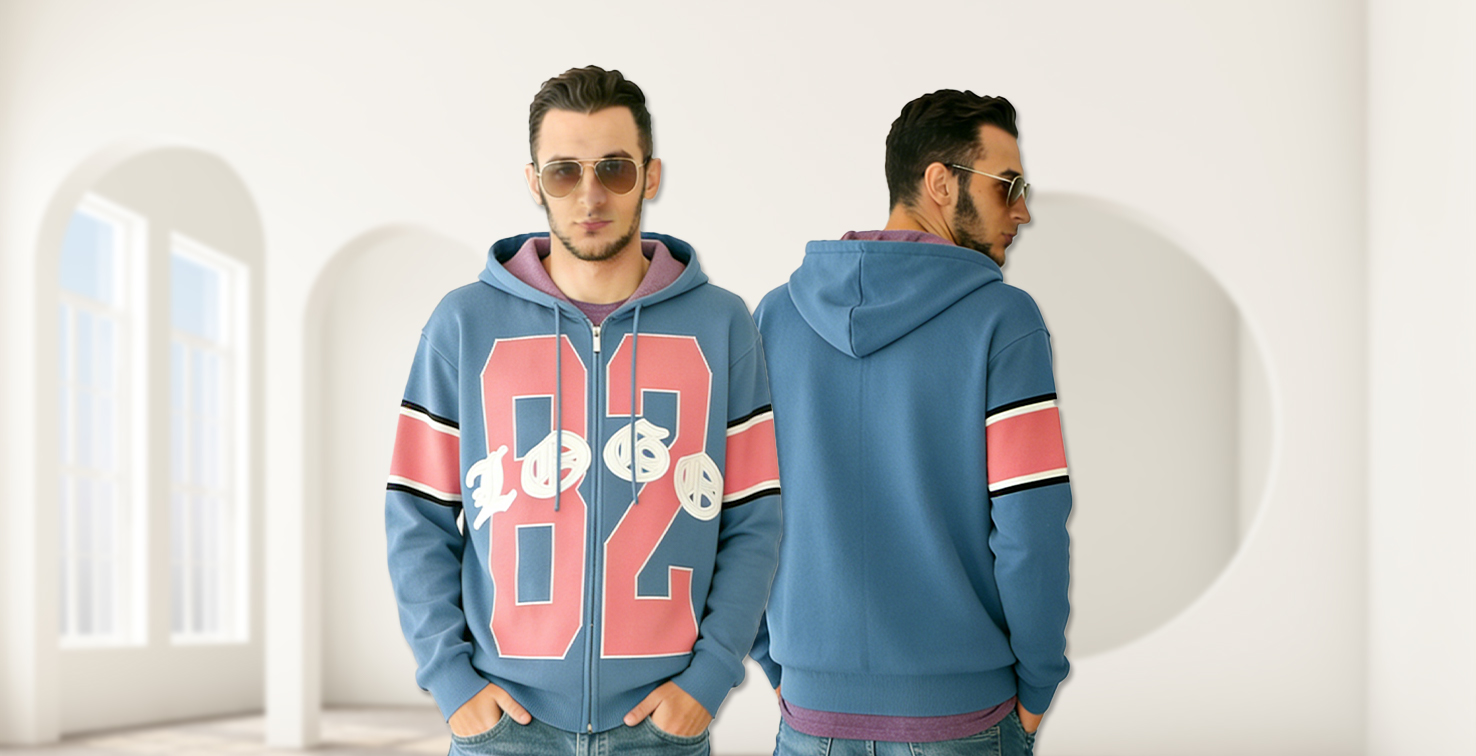
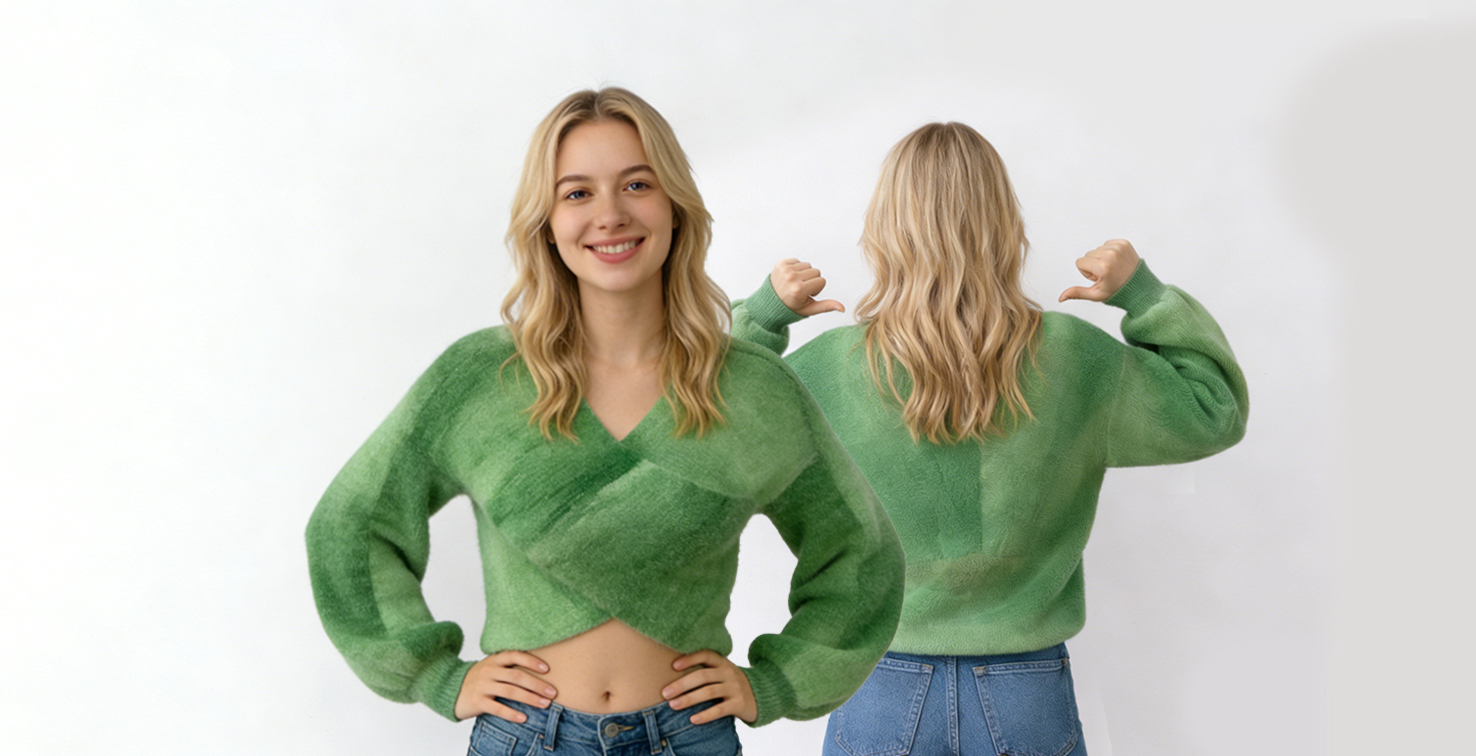
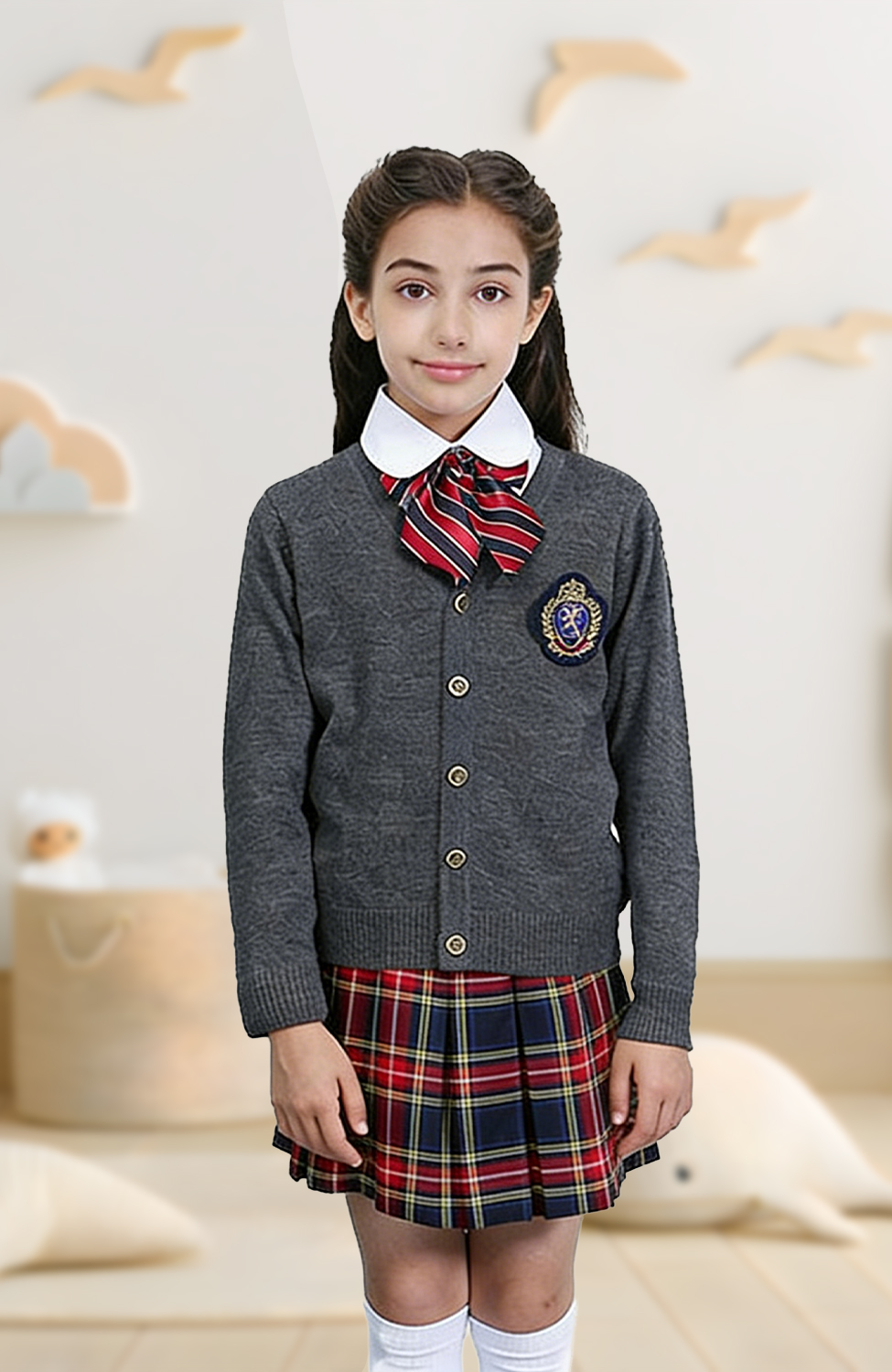
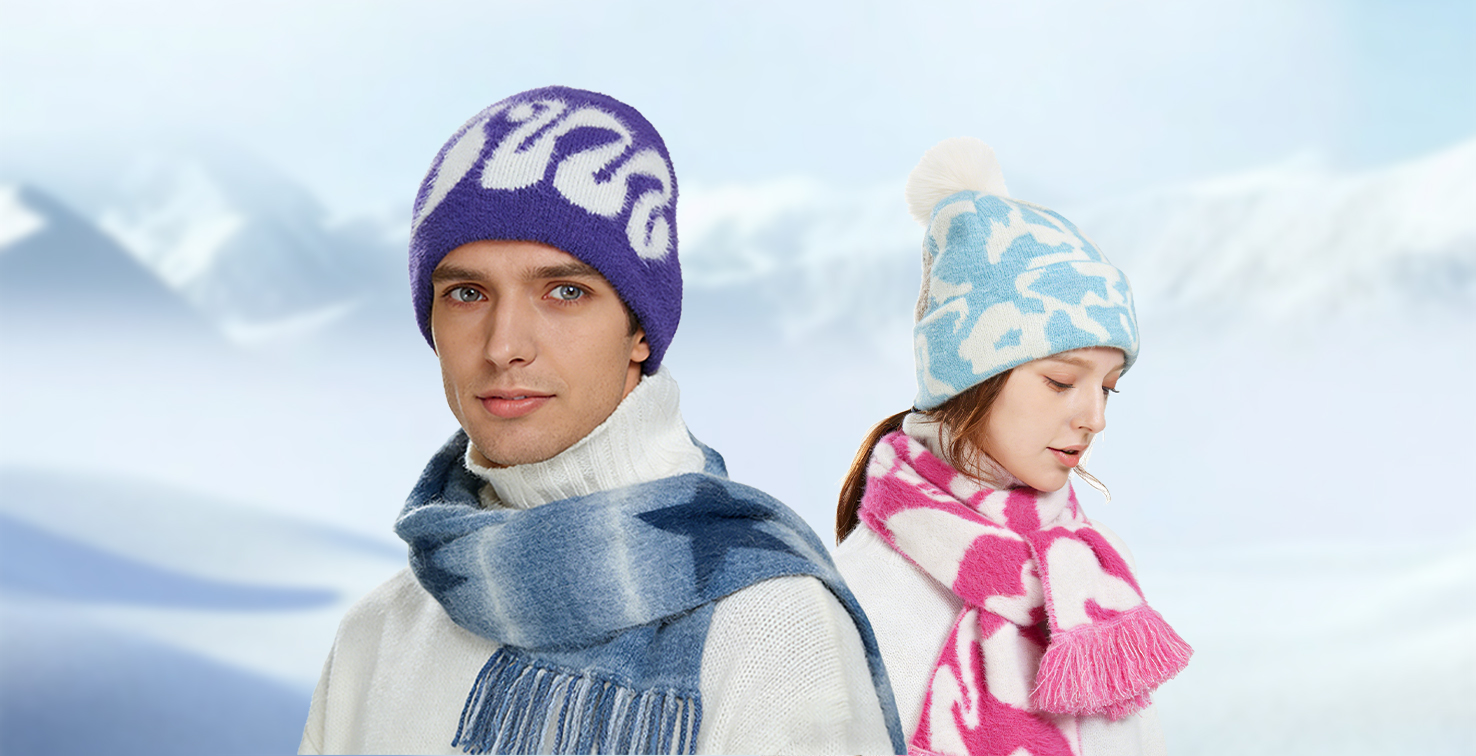
We can customize sweaters of various categories.


Recent Blogs
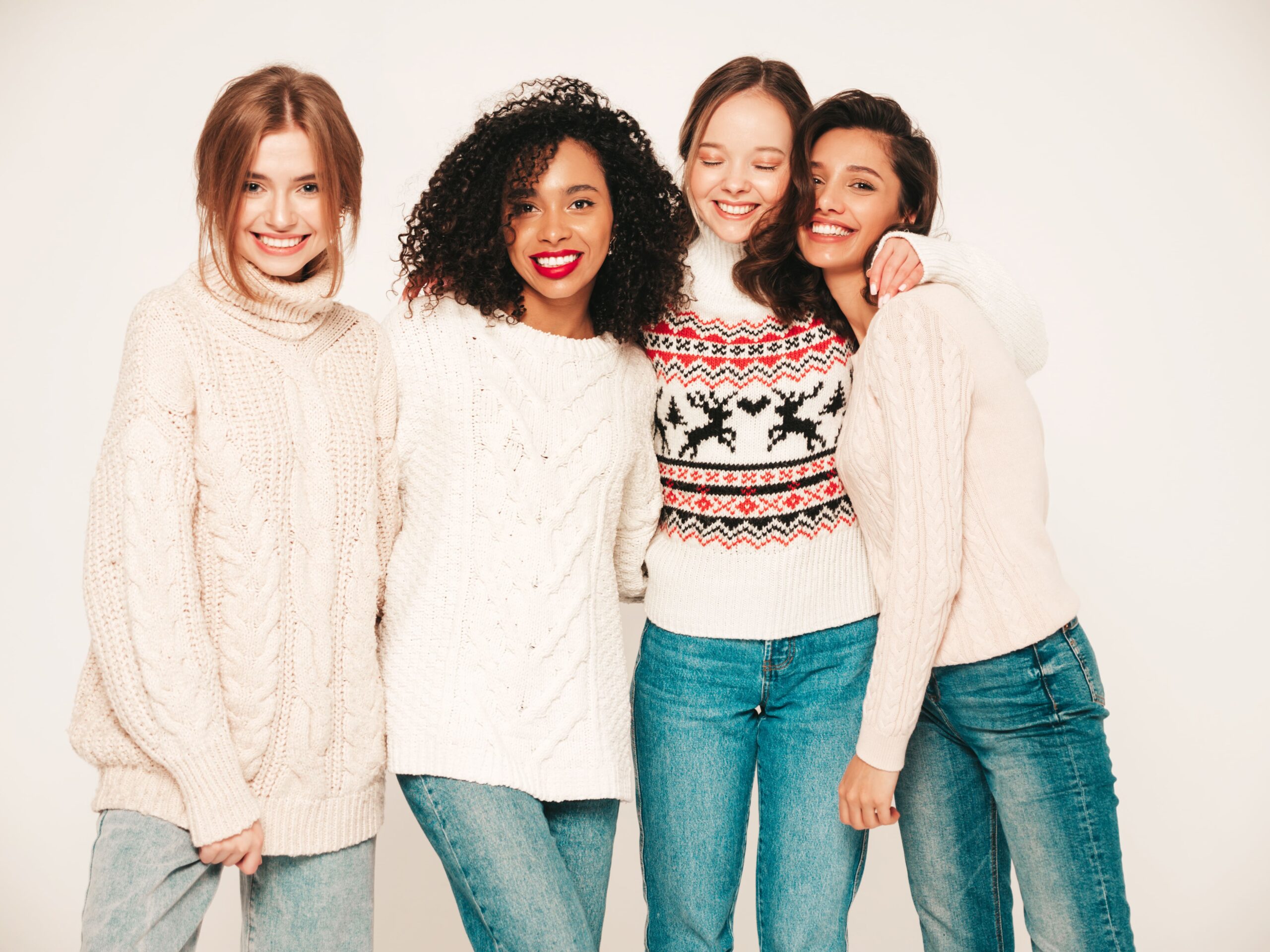
Why Streetwear Rarely Separates Men’s and Women’s Styles
In today’s fashion world, the boundaries between genders are fading fast. From Paris Fashion Week to the streets of Los Angeles, more and more brands and consumers are ignoring traditional labels like “men’s” and “women’s”—especially in streetwear. 1. Streetwear was genderless from the start Born from youth subcultures like skateboarding, hip-hop, and graffiti, streetwear has always been about attitude, not gender. Oversized silhouettes, bold cuts, and relaxed layering highlight individuality over conformity. That’s why men and women alike wear the same hoodies, sweaters, and sweatshirts—street fashion celebrates expression, not labels. 2. Social media fuels “gender-fluid aesthetics” On Instagram and TikTok, personal expression has no boundaries. Girls wearing oversized “boyfriend sweaters” project confidence, while guys in pastel cardigans show softness and creativity. These style crossovers have become trendsetters, proving that digital culture is reshaping what “beautiful” means. 3. How brands and suppliers are adapting More fashion brands are embracing unisex design principles right from the development stage: Neutral, relaxed fits that flatter all body types Inclusive color palettes, beyond “pink for her, black for him” Fabric choices focused on comfort and versatility For sweater manufacturers, this shift is an opportunity. Knitwear naturally lends itself to genderless design—its softness, stretch, and drape make it ideal for unisex silhouettes. Factories that can offer flexible pattern adjustments and small-batch customization help brands launch gender-neutral collections faster. 4. The future of fashion: style over gender Today’s consumers don’t ask, “Is this for men or women?” They ask, “Is this my style?” Streetwear has blurred gender lines in the most effortless way—turning clothing into a statement of freedom, creativity, and self-expression. If you want to learn more, please contact us. We are a professional sweater manufacturer with more than 20 years experience. We can provide you personalized custom sweater service.
view more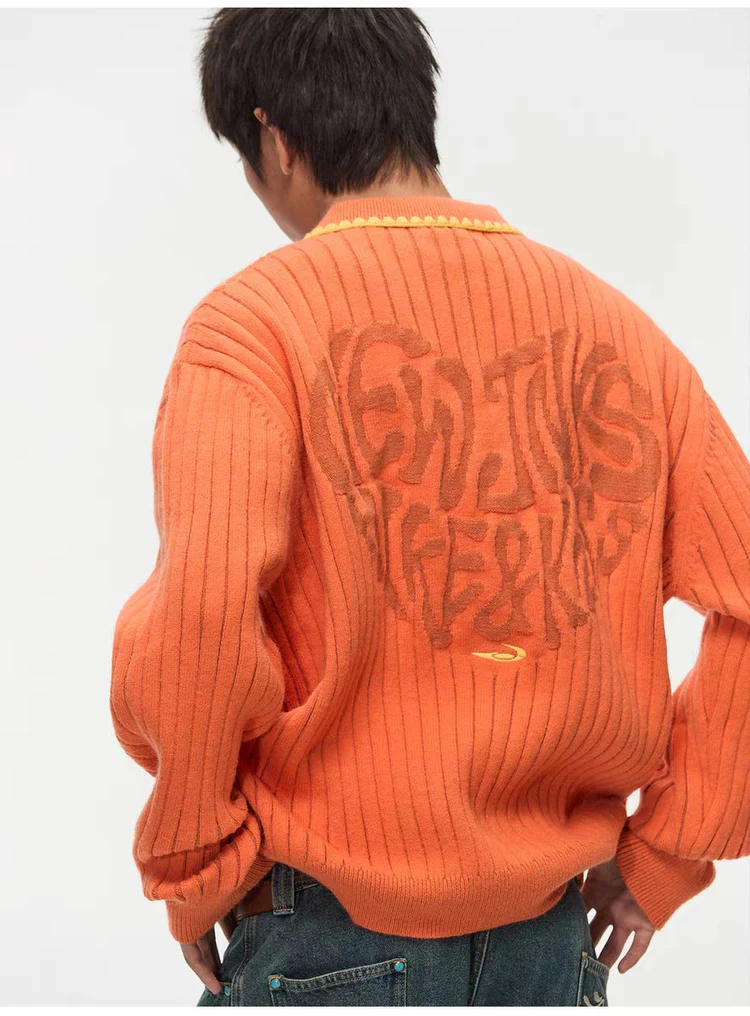
From Celebrity Endorsements to Short-Form Video: A New Era for the Fashion Industry
Not long ago, the fashion industry followed an unwritten rule: If you wanted your brand to be seen, you needed a celebrity endorsement. Celebrities dictated what was “in.” Runways set the tone. Magazines shaped public taste. The entire fashion pipeline was controlled by a few influential figures—and only brands with deep pockets could afford this system. Then short-form video arrived, and everything changed. TikTok, Instagram Reels, and YouTube Shorts shifted fashion from a top-down model to a community-driven ecosystem. Trends are no longer created by celebrities—they’re created by anyone who can make relatable, fun, or authentic content. 1. Influence moved from celebrities to everyday users Today, a 10-second outfit video, a girl sharing “3 must-have winter sweaters,” or a guy teaching “how to style an oversized knit” can outperform a celebrity commercial. Consumers trust “people like me” far more than “people paid to wear this.” 2. Brands no longer need massive budgets to be visible Short video democratizes visibility: Small brands can explode overnight from one viral clip Independent designers gain fans by showing how a garment is made Manufacturers attract B2B clients through behind-the-scenes videos Great content—not great budgets—creates impact now. 3. Short-form content accelerates product development In the past, brands waited for celebrity events to validate trends. Now they simply: 👇 Upload a try-on video 👇 Read audience feedback 👇 Finalize designs in days 👇 Test with small batches For knitwear manufacturers offering fast sampling and small-order flexibility, this shift is a huge advantage. Short-video trends move fast, and agile production wins. 4. Fashion is becoming more democratic No celebrity? No glossy campaign? No problem. Short-form video allows brands, designers, and even regular consumers to shape the industry. It brings: More authenticity, faster validation, lower barriers, and more opportunities. Conclusion Short-form video hasn’t replaced celebrity endorsements—it has replaced the old rules of who gets to influence fashion. Today, success belongs to brands that can tell authentic, engaging stories that resonate with real people. If you want to learn more, please contact us. We are a professional sweater manufacturer with more than 20 years experience. We can provide you personalized custom sweater service.
view more
Do New Brands Really Need Tons of Styles? “Less but Precise” Is the Key to a Strong Start!
In the fashion industry — especially in the sweater niche — many new brands fall into the same trap: releasing tons of styles, launching new ones every month, and overwhelming their customers with too many choices. The result? Inventory pile-up, diluted brand image, and wasted resources. As we like to say: more styles ≠ more success. “Less but precise” is the smarter way to start. With over 20 years of experience in sweater manufacturing, we’ve worked with countless startup brands. One thing we often hear is: “We want to launch 10+ styles and see which one goes viral.” But here’s the reality — bestsellers aren’t made by chance. They’re built through strategy and refinement. Why “Less but Precise” Works Better for New Brands: Stronger brand identity: Too many styles can make your brand look inconsistent. Instead, launch 3-5 strong pieces that clearly communicate your brand vibe. Better use of resources: Every style needs design, sampling, photography, and promotion. Focus on fewer pieces and do them well — you’ll save time and budget. Easier to test the market: With a tight SKU lineup, it’s easier to analyze customer feedback and pivot fast. If none of 10 styles sell, how will you even know what went wrong? More flexible supply chain: Especially when working with sweater supplier like ours — with no minimum order quantity — you can launch small, test quickly, and reorder fast. Ideal for agile brand growth. Final Thoughts New brands shouldn’t try to “catch everything.” Instead, aim to hit the target with precision. Start with 3 strong pieces that make customers remember you. Because in the end, you’ll be known not for how many styles you made, but for how well you made them. If you want to learn more, please contact us. We are a professional sweater manufacturer with more than 20 years experience. We can provide you personalized custom sweater service.
view more